

Long-term consequences of US and Israel’s war on Iran
And the impending doom that global energy markets face
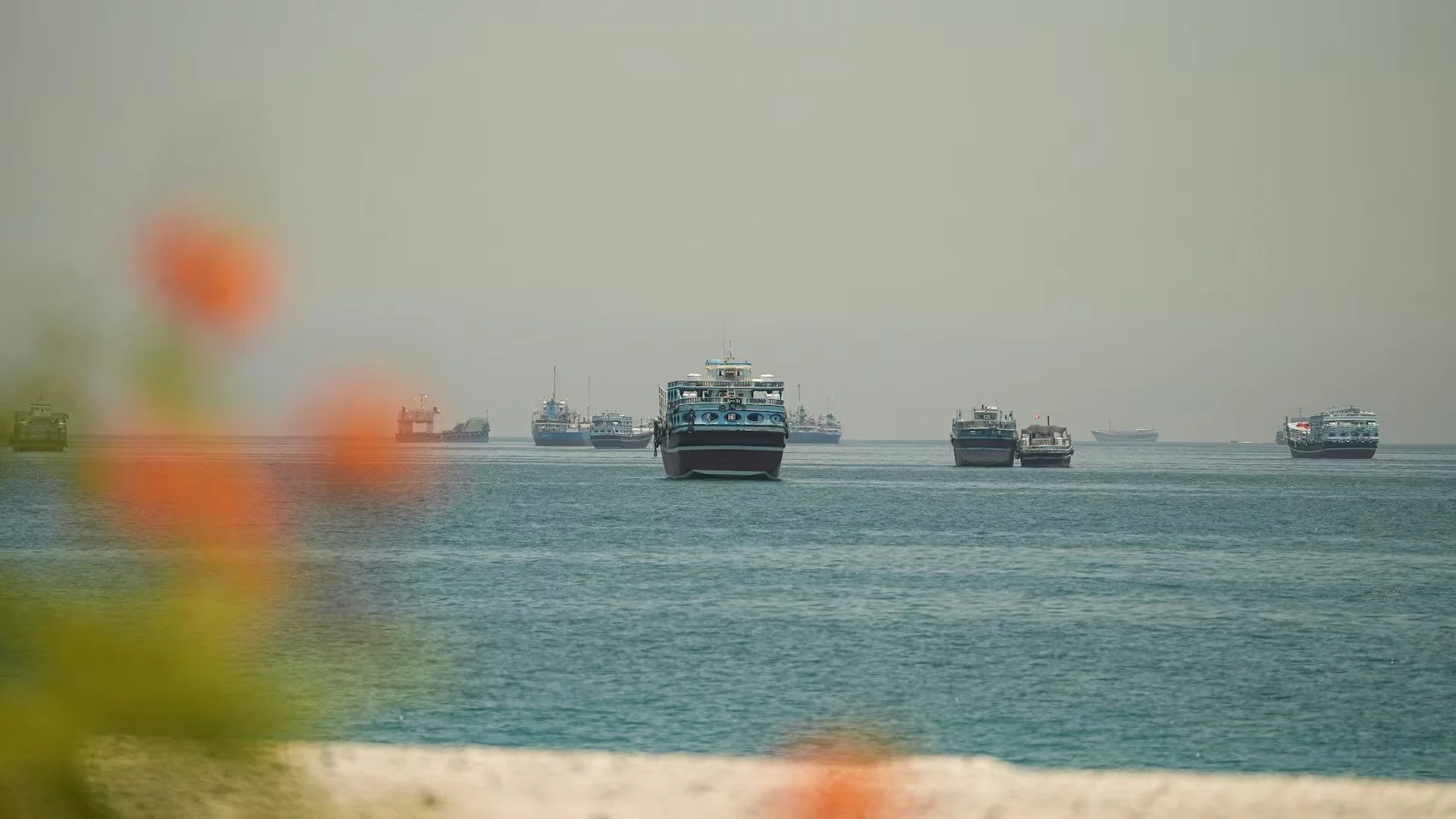
Following the start of the US and Israel’s war on Iran in late February, Iran has blocked the Strait of Hormuz, which saw 20 million barrels of oil per day from Iran and other Gulf States in 2025. Although negotiations between the US and Iran have seen some progress, many remain skeptical, and only a few vessels have been permitted by Iran to pass through the Strait of Hormuz.
This has led the director of the International Energy Agency to call this conflict the biggest threat to energy security in all of history, as the world sees 13 million barrels of oil missing per day. This crisis is expected to worsen, as critical oil reserves for the US and many other countries are dwindling.
However, even if a ceasefire that reopens the Strait is negotiated, agreed and truly upheld, there are numerous logistical hurdles that remain in the way. If a ceasefire that allows shipment to pass through to the US is upheld, there could be over a 40-50 day lag between peace being brokered and shipment reaching its intended destination.
Looking at the larger picture, it could take well over a year and some change for oil inventories across the world to recover, and every day that passes by exponentially adds to that figure.
If true peace is brokered first thing tomorrow morning, the next step is clearing out the mines that Iran has set in the Strait. According to a classified briefing at the House Armed Services Committee, Pentagon officials informed lawmakers that it could most likely take up to six months to make sure the waters are cleared of these mines. This information was revealed to PBS by a source familiar with the situation who only spoke on the condition of anonymity.
Once these mines have been cleared, maritime insurance is another piece of the puzzle that must be addressed. For shipping insurers, the math will not change until the physical risk does. Even if a ceasefire is agreed upon, the US and Israel have consistently violated the agreements and have resumed attacks on a whim, causing inherent skepticism for any negotiations between the involved actors. Evidence of an end to hostilities on all fronts must be shown before these rates can decrease. Oftentimes, these vessels need maritime insurance to be accepted at most ports, so until the region is proven to be safe, vessels may not be able to travel.
For context, Dylan Saunders-Mortimer, the UK war leader at Marsh Risk, said maritime insurance rates have gone up 4,000% and now rest at about 10% the value of the ship in transit, a stark contrast to rates around a quarter of a percentage point before the war.
Once a vessel has cleared these obstacles and is en route, it could spend 30-35 days sailing before it reaches its intended destination. Many of these countries waiting on these shipments are reaching critically low levels in their oil reserves.
The clock is ticking

Following the US strike on Iran on Feb. 28, the flow of crude oil from the Strait drastically decreased. The use of increased pipeline oil and the previous global surplus in supply have replaced a marginal amount of crude oil, but the temporary buffers put in place have mitigated the immediate impact felt from the closure of the strait. However, Brookings estimated that these alternative sources of oil could be depleted by mid-July.
Temporary buffers such as “floating stock,” meaning crude and refined product stored on a vessel at sea, and emergency oil pumped into the commercial market from national reserves, have worked in softening the blow, but these temporary buffers deplete quickly.
For example, Russian floating stocks pumped on average 1.6 million barrels per day beginning March 12 but were completely depleted by the end of April. Iranian floating stocks, pumping in on average 1.3 million barrels per day, were put to use in mid-April but are expected to be depleted by the end of May.
Emergency oil released by members of the International Energy Agency on March 12 is expected to be depleted by early July. This was the largest ever oil stock release, with 400 million barrels of oil from emergency reserves used to address the shortage from the US and Israel’s war on Iran. In total, IEA members hold over 1.2 billion barrels of crude, with 600 million additional under government obligation.
According to a recent IEA report, global oil inventories fell by 129 billion barrels in March and 117 million barrels in April.
“More than ten weeks after the war in the Middle East began, mounting supply losses from the Strait of Hormuz are depleting global oil inventories at a record pace,” The agency said in their recent IEA Oil Market Report. “With Hormuz tanker traffic still restricted, cumulative supply losses from Gulf producers already exceed one billion barrels with more than 14 mb/d (million barrels per day) of oil now shut in, an unprecedented supply shock.”
Of the oil released by 32 countries in the IEA in March, the US committed 172 million barrels from its Strategic Petroleum Reserve. However, this massive release was structured as an exchange rather than a flat sale. Companies pulling crude from these reserves are legally bound to return the amount they used, along with a premium between November 2026 and September 2028.
At its peak capacity, the SPR can supply enough oil for the entire country for 36 days, an impressive figure when considering the US goes through 20 million barrels per day. The original intent of the oil stockpile was to act as an insurance policy against foreign supply disruptions after the 1973 Arab oil embargo.
However, the stockpile has now fallen to 243 million barrels, the lowest it's been since 1982. To make matters worse, even at the fastest potential speed of 4 million barrels a month, it would take until 2031 to refill the reserves.
“I filled it up once, and I’ll fill it up again,” US President Donald Trump said in an interview shortly after the release of the emergency oil.
Along with the release of emergency reserves, the US has looked domestically, but has found minimal success. President of the Federal Reserve Bank of Dallas Lorie Logan gave a few reasons at a conference on Wednesday in Tokyo, but most notably cited a lack of infrastructure.
“Many wells produce both oil and natural gas, but there is little pipeline capacity to move more gas out of the fields in West Texas,” Logan said. “Fixed export capacity also means that in the near term, U.S. natural gas cannot fill much of the gap in global gas supplies from the closure of the strait.”
These temporary buffers, whether it’s floating stock or emergency reserves, will not last. Impending doom is all but spelled out for the US and the world as a whole if negotiations with Iran do not see substantive progress.
By the middle of this summer, the factors working to minimize the harm that Trump’s war has brought will be gone. However, even if a peace deal was brokered tomorrow morning, the global oil supply chain cannot simply reverse all the damage and return to normalcy.
The US and Israel’s war on Iran has already had several immediate effects on economic living conditions across the world, but the true extent of this war could continue to play out for the foreseeable future.