
What Fútbol means to the world
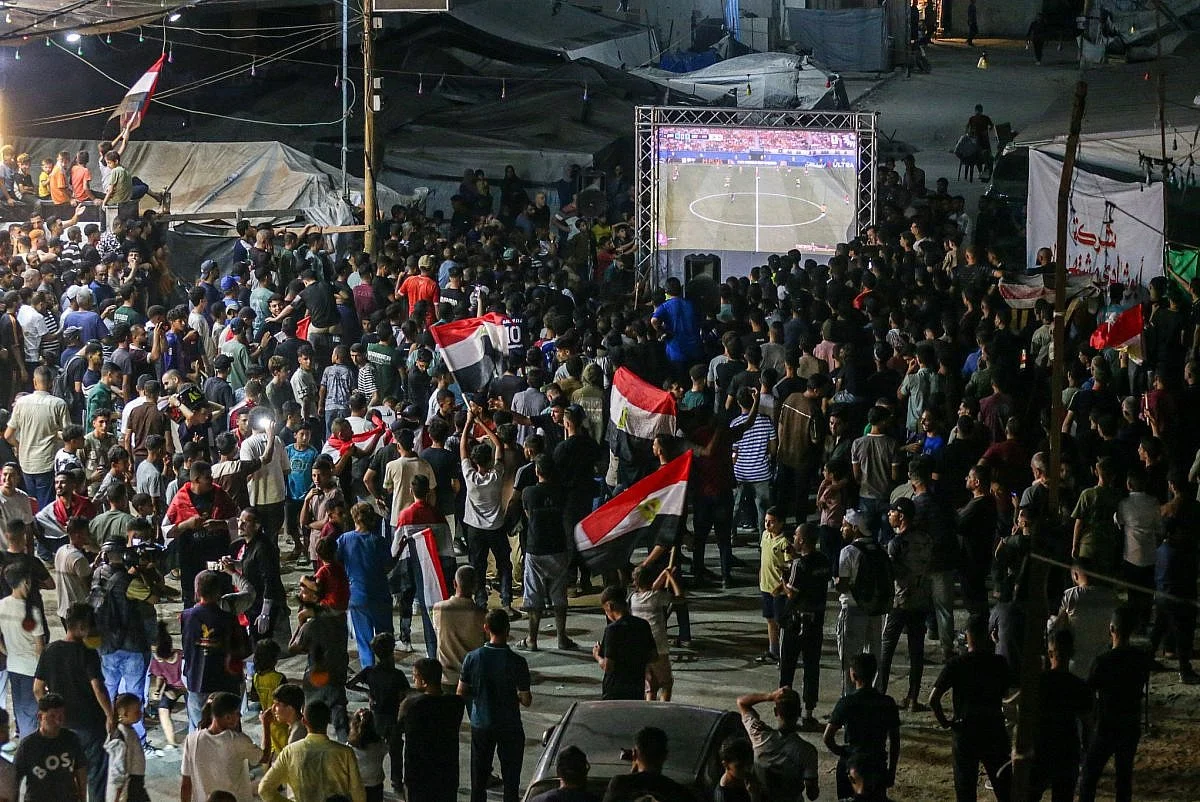
Amidst the rubble and debris of Gaza City, thousands of Palestinians huddled around one screen, cheering for Egypt’s national team in the round of 16 against Argentina. Since the start of the 2026 FIFA World Cup, Palestinians have been watching Egypt play thanks to Mohammed Fawaz Al-Wahidi, a relief worker stationed in Gaza for years.
Wahidi, public relations director for the Egyptian Relief Committee in Gaza City, has worked to bring public screenings of World Cup matches across Gaza. Meanwhile, Hossam Hassan showed character that went beyond the sport and brought the atrocities happening to Palestinians to the World Cup.
After securing their first victory in the World Cup knockout stage, Egypt coach Hossam Hassan dedicated their win to Palestine. Ahead of Egypt’s match against Argentina, Hassan urged the world to speak up against the injustice committed against the Palestinians.
Tamer Nahed, a journalist in Gaza, wrote about the excitement this brought him and Palestinians in Gaza.
“For the first time, I'm following the World Cup with this much excitement,” Nahed said in a post on X. “I was so happy to see Egypt win a little while ago, but the most beautiful sight was here: thousands of people came out of their tents and from among their destroyed homes to watch the match. Faces lit up with smiles, cheers filled the air, and it felt as if everyone had decided to give themselves a moment of life despite everything surrounding them.”
These smiles, cheers and moments of life were made possible in large part thanks to Wahidi. A moment of united pride for Egypt and Gaza turned into shared grief when Wahidi was killed by an Israeli airstrike that targeted a civilian vehicle in the al-Sabra neighborhood. The strikes killed a child along with two others and left multiple people wounded. A total of 20 were killed on Tuesday alone by Israel’s ongoing genocide in Gaza, despite there being a brokered “ceasefire.” In the past eight months since the ceasefire took effect, over 1,000 Palestinians have been killed and over 3,400 wounded in Gaza
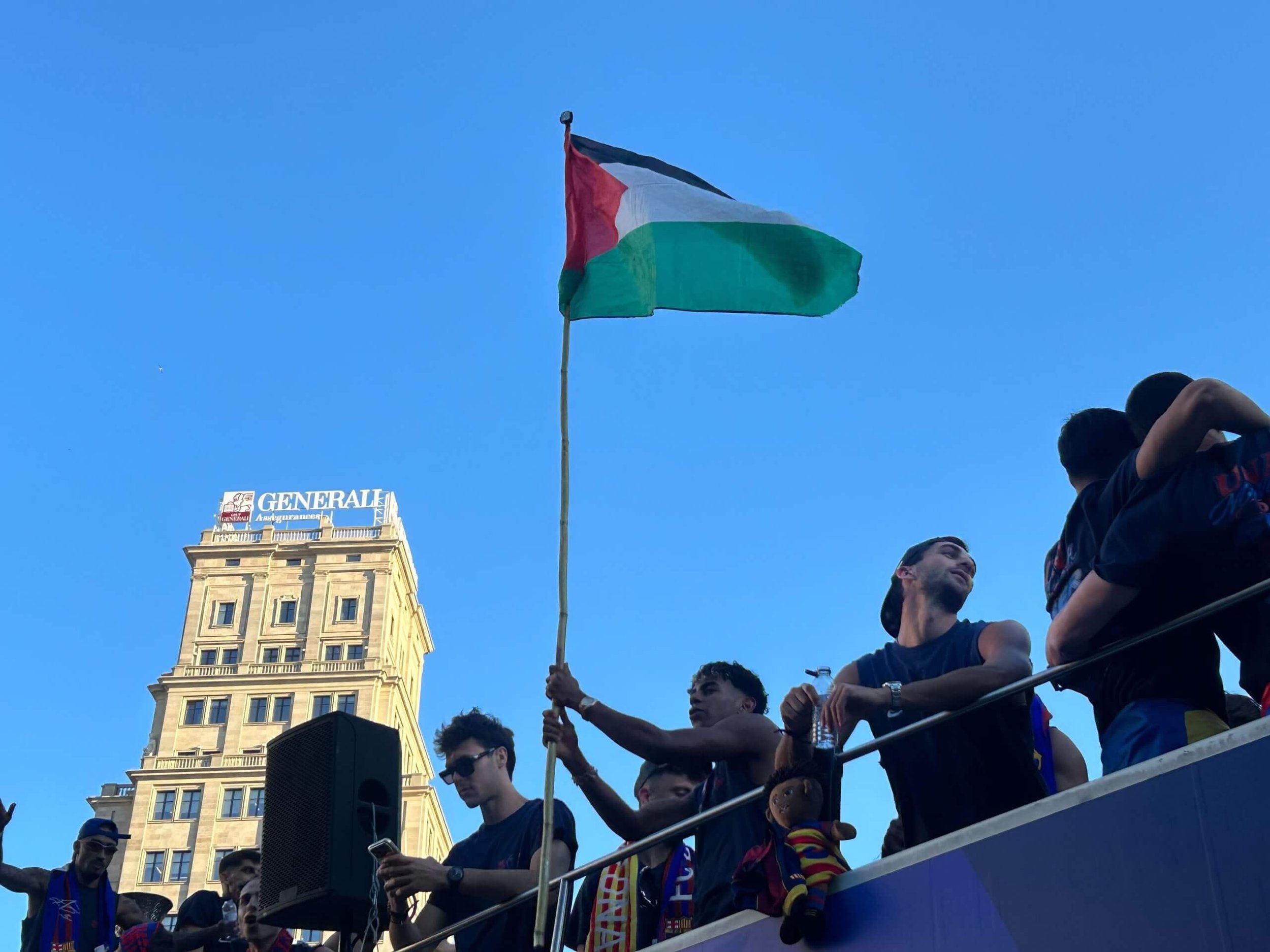
As many across the world have forsaken their eyes and ears to the crimes committed against Palestinians, many in this year's World Cup have refused to let the world ignore it any longer.
From Bosnia-Herzegovina fans holding a large banner that read “Support for Palestine from Sarajevo,” and chanting “Palestina” before matches, Moroccan fans demonstrating solidarity in Times Square before a match, to the Norwegian Football Federation donating all ticket and match profit to Doctors Without Border’s medical relief operations in Gaza after defeating Israel 5-0 in the World Cup Qualifiers, many in this year’s world cup have shown the side of history they stand on; humanity.
The World Cup has a history of bringing what the world chooses not to see to center stage. Whereas those with power in this world remain indifferent to the horrors they often bear responsibility for, athletes, team officials and fans alike use the platform futbol brings to show sides of history obfuscated to the masses.
The Story of Lumumba Veá
Patrice Émery Lumumba was the first Prime Minister of the Former Belgian Congo after it gained independence in 1960. Now called the Democratic Republic of Congo, the nation was subjugated to colonial rule at the hands of Belgium from 1908 to 1960. Considered to have the most valuable natural resources in terms of mineral resources, colonial rule extracted the profits for itself at the expense of the Congolese.
Amidst sweeping political changes across Africa, Belgium reluctantly allowed African participation in political affairs after Ghana became the first colony to gain independence. Lumumba joined a radical political group, the Mouvement National Congolais.
In West Africa, Kwame Nkrumah, who led the movement for Ghana’s independence, called for leaders across Africa to meet for the Pan-African People's Conference. Lumumba traveled to Accra and was introduced to Pan-Africanist ideology.
Through political unrest between various parties representing different political thought amongst the Congolese, Lumumba used his ability as a passionate speaker and fierce leader to unite regions and tribes of the Congo. After a meeting with Belgium, it was agreed that elections and national assemblies would be held in May of 1960, and independence would follow.
After being democratically elected prime minister, Lumumba delivered a fiery speech that burned King Baudouin of Belgium, reminding everyone he is the one responsible for the “contempt, insults, hangings and shootings” that the Congolese were subjected to.
Immediately after being elected as prime minister, Lumumba faced an emerging conflict between the Congolese elite, who feared his nationalist ideology. Then the Katanga and Southern Kasai provinces revolted. After sending soldiers to Southern Kasai to restore the situation, 1,000 citizens were killed in a massacre that the UN blamed him for.
However, Lumumba had been pleading with the UN and Belgium to help restore the Congo, which had left the emerging nation no assistance after it had just freed itself from their colonial oppression.
When Lumumba asked for military help from the Soviet Union, Belgium and the US accused him of being a communist.
“We are not communist, Catholics, or socialist,” Lumumba responded. “We are African Nationalists.”
Another reason why imperialist powers such as the US and Belgium wanted Lumumba dead was that he believed the Congo’s natural resources belonged to the people. Under Belgian rule, the Congo was stripped of its ivory, rubber, diamonds, gold, palm oil and copper, which bolstered European economies and devastated the Congo’s.
In 1960, the US and Belgium pooled financial resources to support Mobutu Sese Seko, who staged a CIA-backed coup in September, putting Lumumba under house arrest.
However, in late November, Lumumba escaped but was later recaptured. Siding with the US and Belgium, Mobutu flew Lumumba to Katanga on January 17, 1961, where Belgian military officers still retained control.
During the flight, Lumumba and his political allies were tortured and beaten. After being taken to a villa, Katangan officials and Belgian officers took turns torturing them more. That evening, Lumumba and his allies were taken to a secluded forest. Lined up against a tree, they were executed by firing squad, commanded by a Belgian officer, made up of Katangan soldiers.
Lumumba was murdered at just 35 years old.
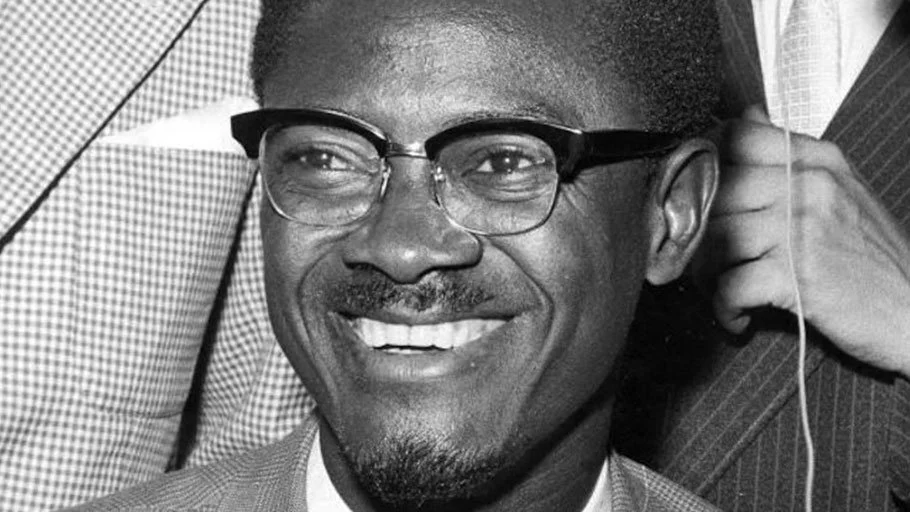
To ensure that nationalists never made his grave a shrine for the movement he embodied, the Belgian authorities hacked his body into pieces and dissolved his remains in sulfuric acid. Police commissioner Gerard Soete kept a single gold-crowned tooth, all that remained of Lumumba’s body.
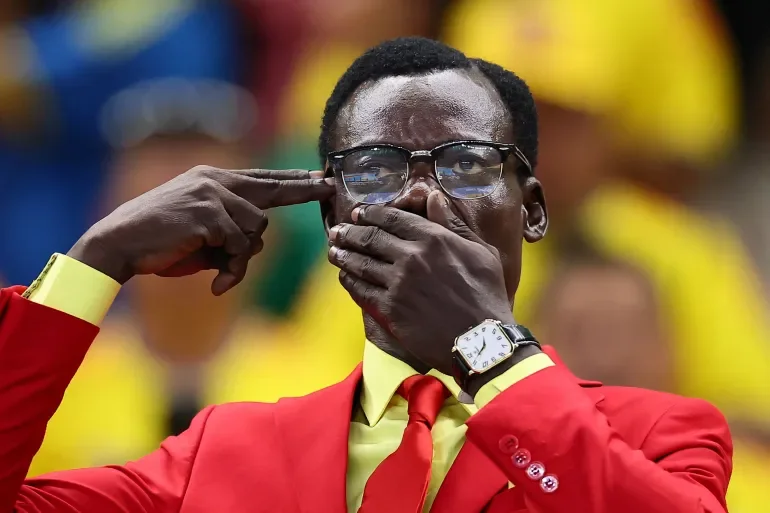
But his spirit lives on. Michel Kuku Mboladinga, known as Lumumba Vea, meaning Lumumba lives, is the Congolese national team’s most famous fan. During the 2025 Africa Cup of Nations in Morocco, he stood atop a pedestal with his right hand confidently raised, with his palms facing the people. Mboladinga holds this gesture in honor of Lumumba from start to finish, not moving a muscle.
“Patrice Lumumba is a symbol of unity, the one who taught Congolese to stand and be proud,” Mboladinga told CNN Sports.
Mboladinga believes himself to be a statue that embodies the strength and courage Lumumba carried.
“I am a living statue,” he said. “My job is not just to stand there, but rather to communicate energy, strength and power to the players.”
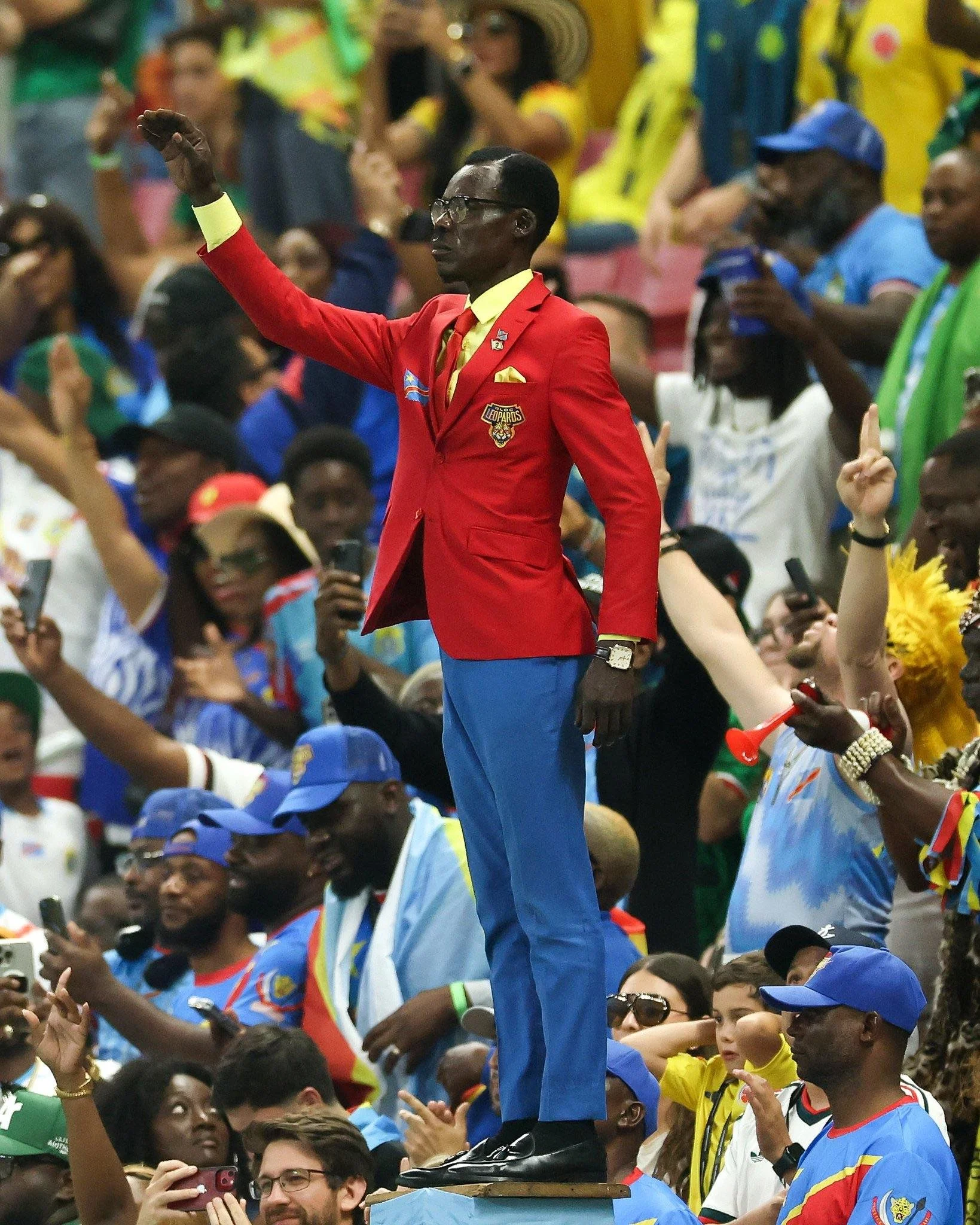
However, in this year’s World Cup, the players missed that strength and power from their fans as Mbolandinga was not granted a US visa. This year, the World Cup has been full of immigration complications thanks to the US and its travel bans on 39 countries and the halting of the visa application process altogether for 75.
Despite Mboladinga's absence, the Democratic Republic of Congo advanced for the first time in tournament history. Despite an early goal, Congo lost to England 2-1 in the round of 32.
50 years after Lumumba’s murder, his son filed a criminal complaint in late June 2011, but only months before the World Cup, the case was heard for the first time on January 20, 2026.
Before the Brussels Court of First Instance, ten other members of the Lumumba family joined as civil parties. In March, the courts announced the case will go to trial and is expected to begin in 2027.
“Forgive. Forgive. Forgive.”
On September 19, 2002, civil war broke out in the Ivory Coast, sparking a conflict that killed over 3,000 people and would last five years. Fighting died down in 2004, with the country split between the rebel-controlled North and the government-held South.
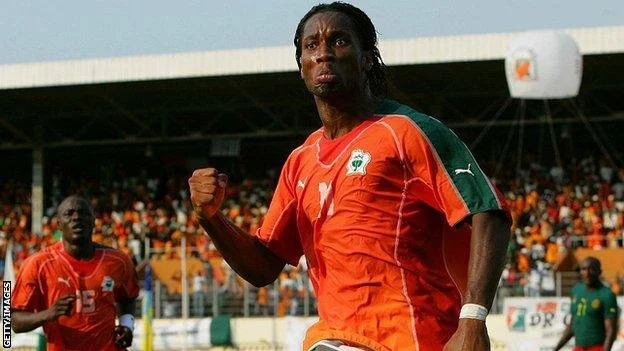
Despite a divided country, the story of the 2006 Ivory Coast national team, led by Didier Drogba, gave a war-torn country a moment of unity in what is one futbol’s greatest tales.
In 2005, tensions were once again rising between the North and the South and on Oct. 8, 2005, all the players on the team knew much more was at stake than fútbol.
So long as Cameroon lost to Egypt and Ivory Coast beat Sudan, the Ivory Coast would qualify for the first time in history.
Knowing anything less than a victory wouldn’t be good enough, Ivory Coast made quick work of Sudan, securing a comfortable 3-1 victory. However, Cameroon and Egypt were neck and neck every minute, and at the 79th minute, Mohammed Shawky sank a tough equalizer for Egypt. So long as the game came to a draw, Ivory Coast would advance.
With seconds remaining and the score tied at a goal a piece, Drogba and the entire Ivory Coast national team huddled around the radio, waiting.
Then a huge blow to Ivory Coast’s World Cup hopes came at the fourth minute of injury time when Cameroon was awarded a penalty. But in a twist of fate, Pierre Wome’s spot kick for Cameroon hit the left-hand post and flew too wide.
Ivory Coast erupted, because at a time of great divide for the nation, they had qualified for the World Cup.
Hassane Omar, a 20-year-old student at the time who lived in Ivory Coast’s former capital, Abidjan, recalled the moment as collective joy for the nation.
“The whole country, every person, every house, was happy,” Omar said. “That day we all forgot the country was still divided.”
But on that night, the most miraculous moment that night happened off the pitch. As the celebrations unfolded, the attention quickly shifted from Cameroon’s game to Ivory Coast reactions of the player and the country.
As the cameras ushered into the changing room, Drogba grabbed a microphone as his team gathered around him. With one chance to speak to his country, he used a moment of celebration to call for peace.
“Men and women of Ivory Coast, from the North, South, Centre and West, we proved today that all Ivorians can coexist and play together with a shared aim: to qualify for the World Cup.”
“We promised you that the celebrations would unite the people, today we beg you on our knees.”
On cue, the team got on their knees to plead with a country divided.
“Forgive. Forgive. Forgive,” Drogba continued. “The one country in Africa with so many riches must not descend into war. Please lay down your weapons and hold elections.”
As the players continued to sing, “We want to have fun, so stop firing your guns,” Ivorians outside the Egyptian embassy began a conga line. After years of turmoil, finally, the country had a reason to celebrate.
Despite being knocked out of the group stage in the 2006 World Cup, Ivory Coast put up a respectable performance, beating Serbia and Montenegro but losing to Argentina and the Netherlands.
However, the state of affairs did not change overnight for Ivory Coast, but Drogba’s words went viral across the world and in the country. Despite being from Abidjan in the South, Drogba spoke with the arm of Kolo Touré from the North, wrapped around his shoulder, showing that unity was possible.
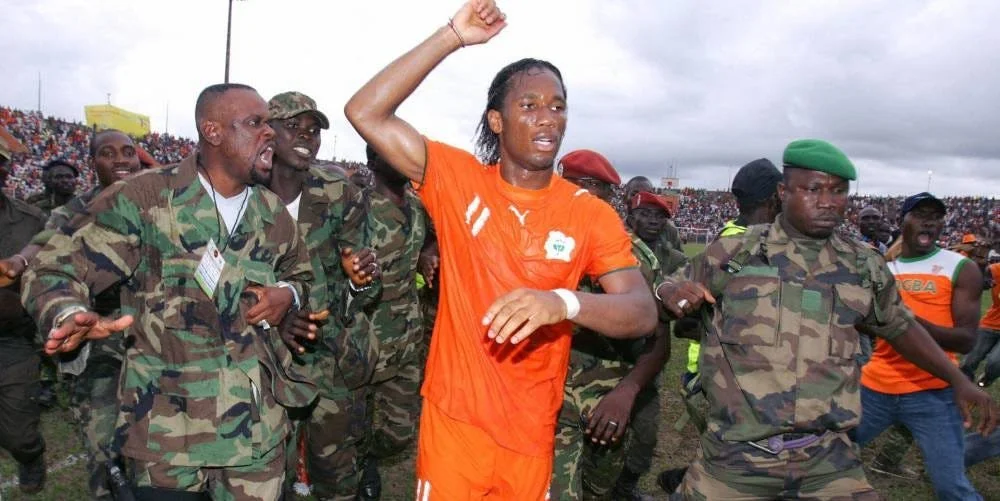
The next year, Drogba made a move that shocked both those in the North and South; in 2007, Drogba announced Ivory Coast’s home match against Madagascar would not be played in Abidjan, but in Bouake, the capital of the rebel-held North.
Austin Merril, a journalist based in Ivory Coast at the time, described how unprecedented this move was.
“Bearing in mind Drogba is from the South, from Gbagbo’s area, he was just like a god at the time,” Merril said. “It was Bonkers.”
Merril drove behind the team bus the day of the match as they drove to the stadium in Bouake. He said people rode on top of cars, excited soldiers loosened their grip on their guns as the team approached closer and closer to a stadium filled to the brim with anticipation.
“It felt more than just fúbol,” Omar said. “Everybody had stopped work at 12 o’clock and was drinking beer or champagne. We were all so happy.”
Salomon Kalou began what would be an onslaught of goals for Ivory Coast after scoring in the 18th minute. With just five minutes left to play, up 4-0, it was Drogba who finished what had been a match not even Hollywood or FIFA could write.
The ball came from midfield and dropped right behind the defence, landing in the path of none other than the pacing Drogba. With a controlled and elegant touch, Drogba dribbled around the goalkeeper and slid the ball into the vacant net.
The stadium erupted with cheers as both government and rebel troops alike cheered for one united Ivory Coast team.
The war finally ended shortly after a peace agreement was signed. That wasn’t the end of this long dispute, as a second Civil War broke out in 2011. Although it took years for a true end to the conflict, the streets of Ivory Coast and the world still remember Drogba’s call for peace after showing what a united Ivory Coast could accomplish.
Alassane Ouattara, who was elected after the end of the second civil war, still serves as president, securing an 89.5% victory in the 2025 presidential elections. In the 2026 World Cup, the Democratic Republic of Congo made the knockout stage for the first time in history.
Marta Vieira da Silva and the national women’s team for Brazil
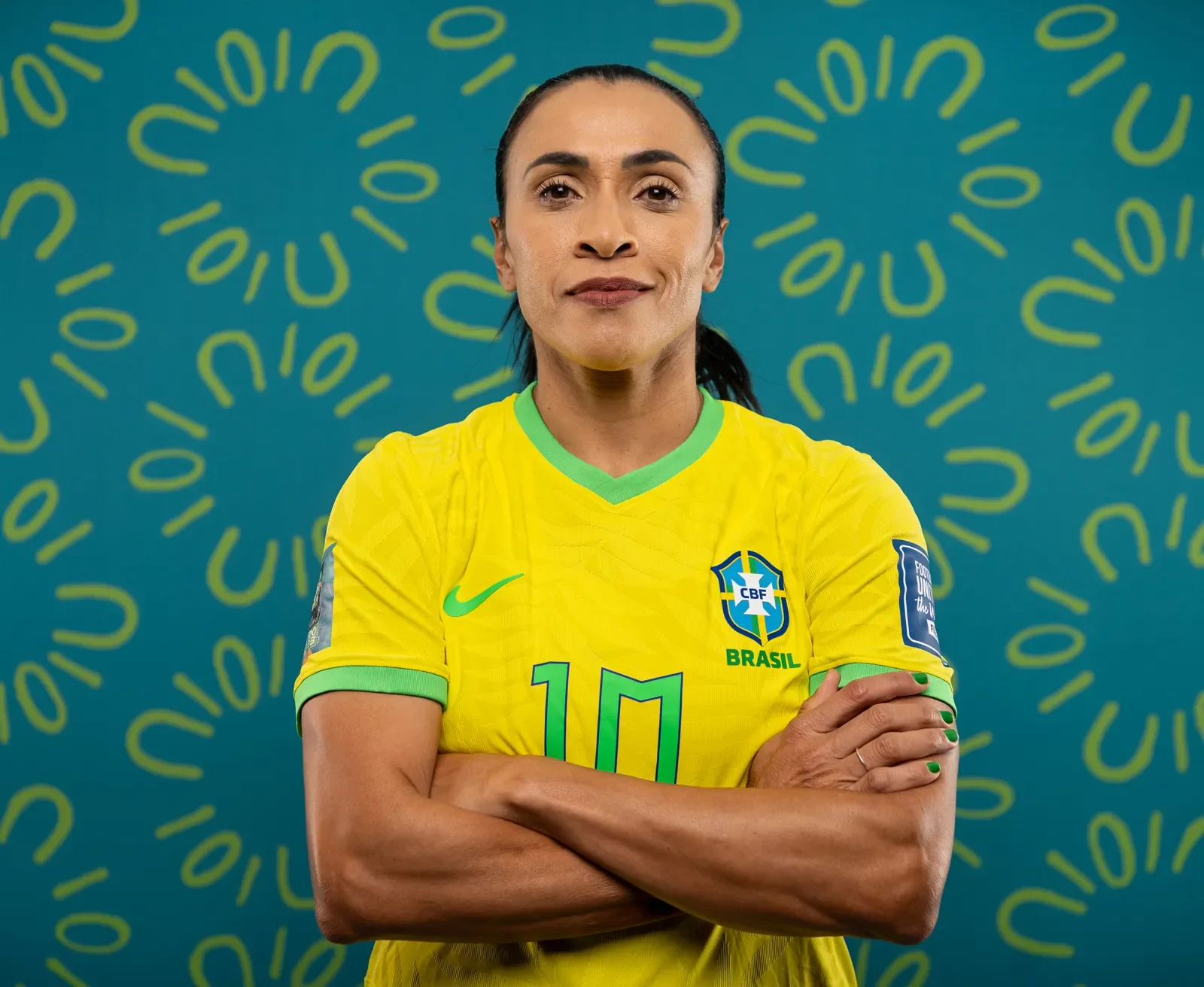
For five straight years, Marta Vieira da Silva was named FIFA World Player of the Year from 2006 to 2010 and once more in 2018. Marta is widely regarded to be the best woman fúbol player of all time and one of the best athletes across all sports.
Marta captivated the world with her brilliance that shone brighter than the cameras and lights on her. Using her speed and elegant touch to get past defenders, her strength and precision put the ball out of any keeper’s hand; Marta was a fearless goalscorer with many records broken to speak to her greatness.
Marta saw much success in Europe, playing for Swedish club Umeå IK. During her time there, she won seven Swedish league championships playing for various teams.
Indeed, Marta was phenomenal and carried this excellence to the international scene. Marta, born in Dois Riachos, Brazil, represented her country as the captain of the women’s national team. She is the only fútbol player to ever score in 5 different World Cups and has the most career goals with 17. In 2004, 2008 and 2024, she won the silver medal for Brazil in the Summer Olympics.
Truly, she was great.
So great, her accomplishments would make you forget that Marta and Brazil’s national team were given nothing, not even respect, from the country they so proudly represented.
Brazil is widely believed to be responsible for beautifying the sport through advancing its style of play. The nickname “the Beautiful Game” comes from Joāo, who served as the president of the Brazilian federation from 1958 to 1973.
As Brazil became among the best in the world of fútbol, leadership in the country’s sport ensured that only the men’s national team would get the resources, attention and pay, at the expense of the women in the country who loved the game just as much.
In the 1930s, women in Brazil began creating teams at an unprecedented rate. In fact, the Brazilian newspaper Correio Paulistano boasted that exactly 1,001 matches were held a day. This excitement from across the country created a women’s league that toured Brazil for a season.
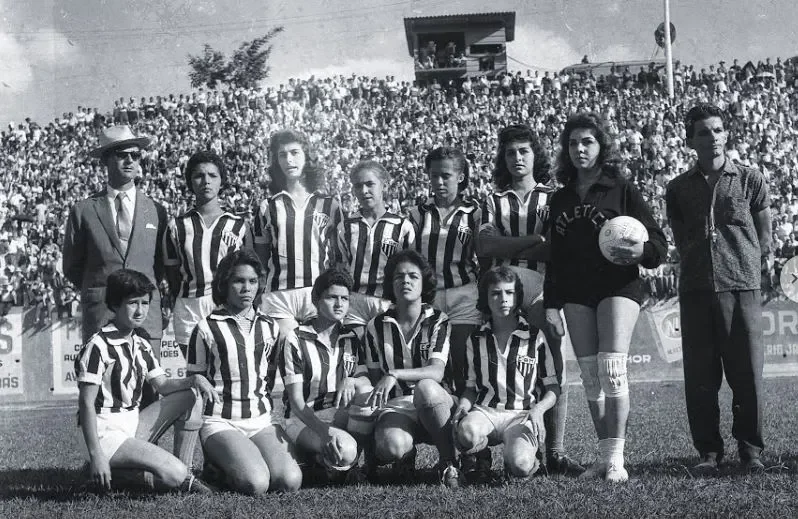
But in April 1941, the authoritarian government controlled by Getúio Vargas implemented Decree Law 3199.
This banned women from participating in fútbol, boxing, rugby, polo, water polo and track and field. He described these events as “not suitable to the female body.” This deep-rooted misogyny was propagated by Brazil’s media in an effort to justify the ban.
However, Brazilian women never stopped playing the game. Protesting the ban, writing letters to the press, they spoke out against this injustice.
The legendary midfielder Sisleide do Amor Lima, who won the Golden Boot in 1999, was growing up at the time.
“I heard about this law and I said, ‘Who cares? I’m in the middle of nowhere, who’s going to pay attention to that?
When Sissi was 14, the ban was lifted in 1979. Teams and leagues began to form and she joined Feira de Santana in 1988.
However, the discrimination did not end after the ban was lifted, as Brazil strictly policed women and enforced misogynistic policies.
“They said girls with short hair could not participate,” Sissi said, recalling tournaments during this time period.
From the depths of adversity, disrespect from authoritarian power and circumstances destined for her to fail, came one of, if not the greatest, athletes to play the sport.
On a two-day bus ride to Rio de Janeiro for a tryout, a 14-year-old Marta was accompanied by her mom, who had been telling off people who didn’t want her daughter to play her whole life. She made the team, but two years later, they shut down the entire women’s organization.
Marta continued to play for an amateur club until she was 18. Her talent was quickly picked up by Umeå IK in Sweden and she has dominated everywhere she’s been since.
In 1999, Brazil advanced to its first-ever knock-out stage of the World Cup and finished third. Despite the government trying everything in its power to hold back the women’s national team, the team continued to show the talent and passion they had, not just to the men who mocked them, but to the entire world.
However, the players weren’t paid and the match wasn’t even televised.
In 2003, Brazil put out the youngest team in the competition. At just 17 years old, Marta made her first start, scoring 2 goals in the tournament.
“The Brazilian team was just faster than us,” Norway coach Age Steen said after a match against them.
Defeated by Sweden 2-1 in the knockout stages, Brazil fell short of their prior appearance but showed much potential. However, resources, staffing, funding and adequate pay for the women athletes were the last thing Brazilian leadership would consider.
In 2007, Marta and Brazil put the world on notice. Coming off a FIFA player of the year and Brazil’s gold medal. This team was expected to go far, and they did exactly that. Cruising through group play and showing their composure and resilience in the quarter finals, Brazil faced the US in what was made out to be a heavyweight matchup between two of the tournament’s favorites.
By the 27th minute, Marta had put Brazil up 2-0, in what was a dominating performance. Reimagining dribbling in the 79th minute, Marta pulled off an unimaginable move.
Catching the ball with her right leg on the left side of the pitch, not too far from the net, Marta lobbed the ball up, gave the ball a masterful back heel kick, sending the ball forward but behind the defender, as she spun and weaved on the other side around the stunned defender. Hitting an oncoming defender with a quick left-to-right fake out that broke her ankles, with her off foot, she sent an absolute missile right past the keeper for a goal that punctuated a huge win for Brazil.
Brazil had made it to the World Cup finals, but to play Germany, the overwhelming favorites. Germany won 2-0 in a crushing victory, extending their stretch of not conceding a single goal.
Brazil’s national team was fed up with the circumstances they were forced to endure despite their success. Following that World Cup, the women’s national team wrote an open letter demanding more support and fair pay.
This letter brought to light the unfair circumstances they endure when competing in the World Cup. Much of their demands were for basic necessities that the men’s team provided but not the women’s, such as a team cook or simply a stipend that could actually pay for their expenses while traveling. Most important among these demands was fair pay, and for it to actually come on time.
At the time the letter was published, the team still had not received their bonus for winning the gold medal at the Pan-American Games. After winning silver in the 2004 Olympics, it took two years for the players to receive the bonus money they were promised.
Marta returned from Sweden to play for various clubs in the US and Brazil. She played for Brazilian club Santos FC, but the program was shut down. Santos president Luis Oliveira conceded that this was to save money to keep Neymar.
In the 2011 World Cup, Brazil once again cleared through the group stage to play the US in the quarterfinal, who were favored to win the tournament.
In one of the game’s most legendary matches, Brazil was left heartbroken in a loss after penalties. Marta and the entire team were fed up, as they continued to receive less support than the men’s team, despite their continuous success and prominent talent.
In the next few World Cups, this story would repeat itself. Things got worse when Jair Bolsonaro became Brazil’s president. Bolsonaro is an openly homophobic and misogynistic politician, who, just days into his presidency, eliminated the Ministries of Culture, Sport and Social Policy. Women athletes depend on these government subsidies because professional leagues rarely give contracts to their players.
“The Bolsonaro government has expressed enormous contempt for the efforts to address gender issues and diversity,” Silvana Goellner, a professor and former member of the disbanded commission on women’s fútbol, said.
Despite the greatness of Marta and the national women’s team for Brazil, Marta and many other legends retired, never getting a fair shot at winning the World Cup.
Today, grassroots organizations have been working to open pathways for girls in fútbol through youth development. Today, all top-tier men’s clubs must also have a women’s team, allowing women opportunities that weren’t there in the past.
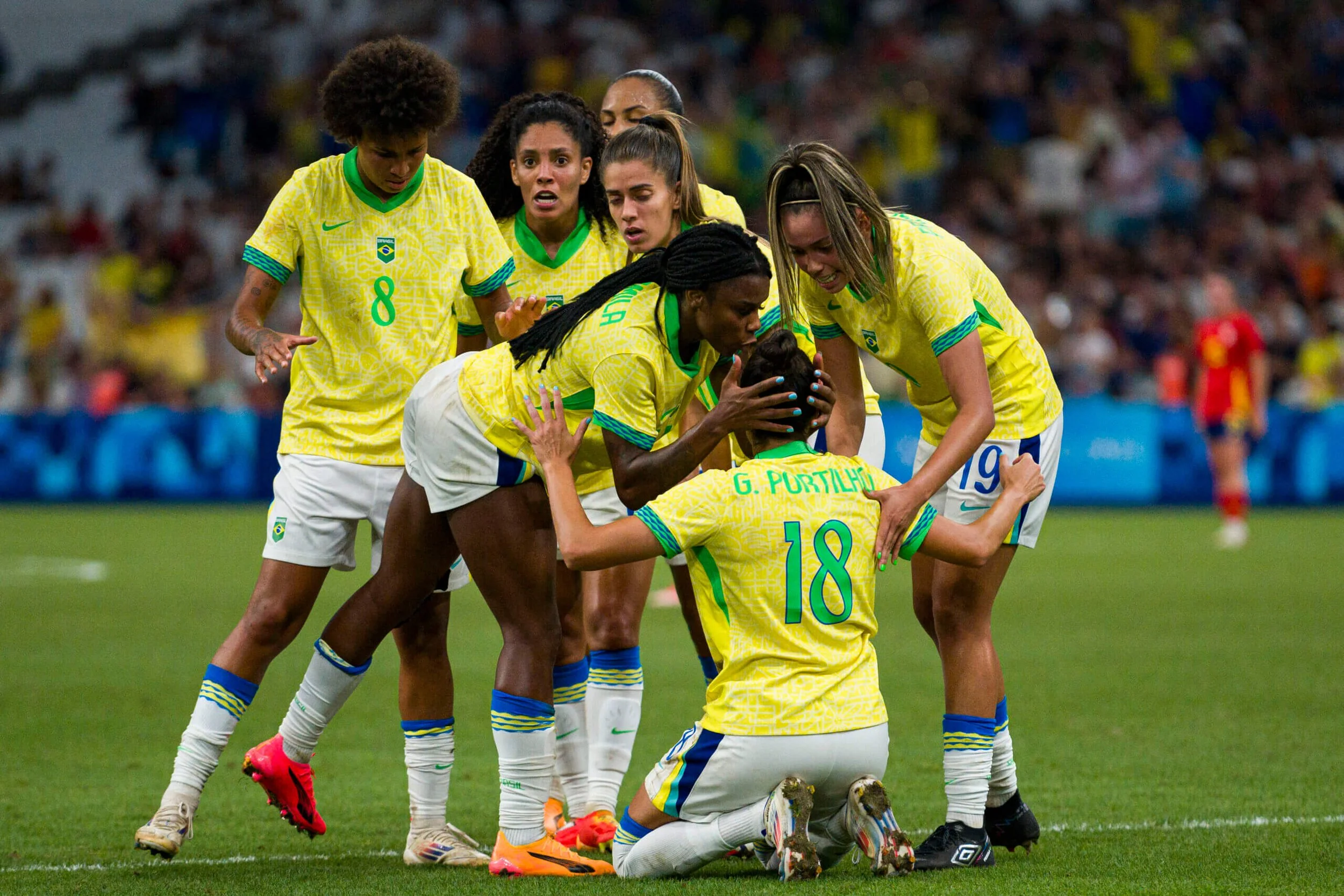
With the 2027 FIFA Women’s World Cup around the corner, there is much hope for this team. Even with Marta bidding the national team farewell with her last tournament in 2023, the future is bright.
However, more support from Brazil’s fútbol organization is needed. From club salaries and image rights alone, top men's athletes for big clubs can make up to $400,000 a month, whereas some women’s clubs pay on average $2,800 a year.
Women like Marta, Sissi and many more paved the way for much of this change to happen. Through their resilience and love for the game, despite receiving no support from their government and fútbol organization, they ensured the youth could at least grow up with role models to look up to.
Bosnia-Herzegovina and its 2026 men’s national team
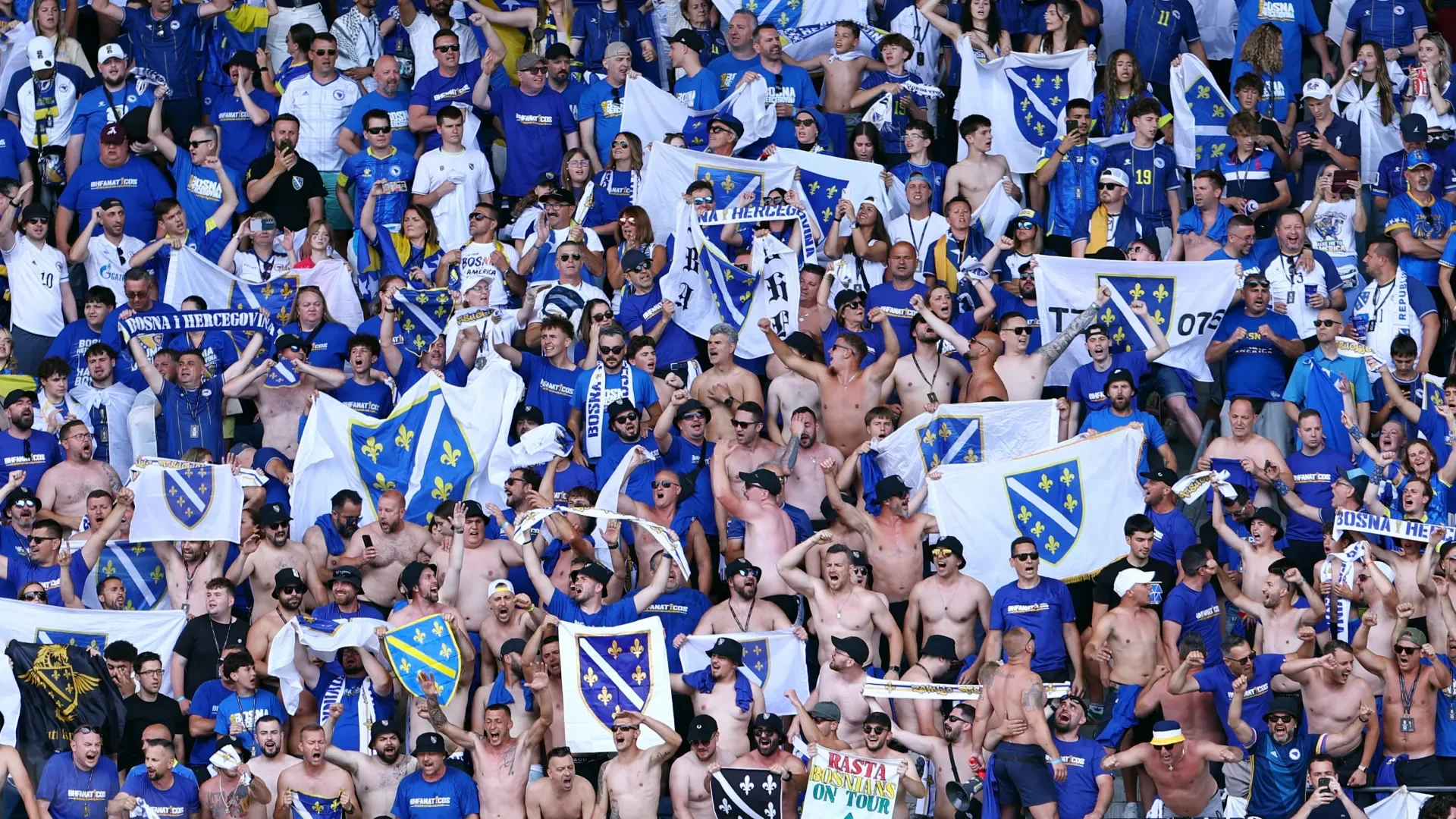
On July 1, Bosnia-Herzegovina lost 2-0 to the US in the first round of the knockout stage of this year’s World Cup.
Despite this loss, Bosnia and Herzegovina were already champions in the hearts of their people.
Many on this year’s team for Bosnia-Herzegovina are descendants of survivors of the Srebrenica genocide. Many are children from families displaced by the violence, who chose to represent Bosnia-Herzegovina on the pitch.
“Srebrenica is a part of me,” the young winger for Bosnia-Herzegovina Esmir Bajraktarević said. “I carry it in my blood.”
In the early 1990s, after years of economic and political unrest, Yugoslavia collapsed and between 1991 and 1992, Slovenia, Croatia, North Macedonia and Bosnia-Herzegovina declared independence. Slobodon Milošević came to power in Serbia, and in 1992 began a campaign on Srebrenica to take back control of territory adjacent to Serbia from Bosnia-Herzegovina.
Naturally, those in Bosnia opposed this plan. Bosniaks, Bosnian Muslims, were targeted in this area by Misolevic’s campaign as he believed they needed to be expelled to “free” the Serbian Orthodox Christians living in Bosnia.
In April 1992, when Bosnia-Herzegovina’s independence was internationally recognized, Bosnian Serb forces revolted and, through violent means, seized 70% of the country. These forces received training and weapons from the Yugoslav People’s Army, the government of the Republic of Serbia and paramilitary groups.
Sarajevo, the capital of Bosnia-Herzegovina, was surrounded by Serbian forces. Over 10,000 civilians were killed or wounded by shells or snipers stationed on the mountains surrounding the city. Serbian forces mercilessly ethnically cleansed the districts they gained control over, using torture, rape and detention to inflict as much terror upon the people.
For centuries, Sarajevo was a multi-ethnic city with Muslims, Serbs, Croats and other nationalities living together peacefully. Today, after the atrocities Serbian forces committed in 1992, the city remains divided. A portion of the city is occupied by Serbian forces who ethnically cleansed these districts, and another portion of the city where those of different ethnicities reside.
However, even after the horrors at Sarajevo, not enough was done to rectify the situation, and the violence continued. Thousands of Bosniaks sought refuge in Srebrenica, which was bombed frequently by Bosnian Serb forces. Many were placed in unlivable conditions and in response, the UN Security Council passed Resolution 819, designating Srebrenica as a “safe area.” UN peacekeeping forces were sent to the area to ensure the demilitarization of the area.
But in 1995, Radovan Karadzic, president of the Bosnian Serb Republic, ordered military forces to eliminate the Muslim population from Srebrenica. 30,000 women, children and elderly were driven away to Muslim-controlled territory while over 8,000 Bosniak men and boys were detained, killed and buried in mass graves.
In 1995, US negotiations in Dayton, Ohio, ended the violence, and a force was created to maintain the peace. Since the end of the conflict, the International Criminal Tribunal for Yugoslavia charged more than 160 people of crimes against humanity, mostly Serbs and Bosnian Serbs. In 2001, Milosevic was captured but died in his cell in 2006. Karadzic was captured in 2008 and now serves a life sentence in prison.
Decades later, the pain is still felt, but from St. Louis, to Stockholm, to Sarajevo, the entire Bosnian diaspora celebrated not just the players on the pitch, but the adversity, trauma and horrors they overcame. As the Bosnia-Herzegovina players lined up for their nation’s anthem before playing their first-ever match in the knockout stage, it was a moment that went beyond the sport.
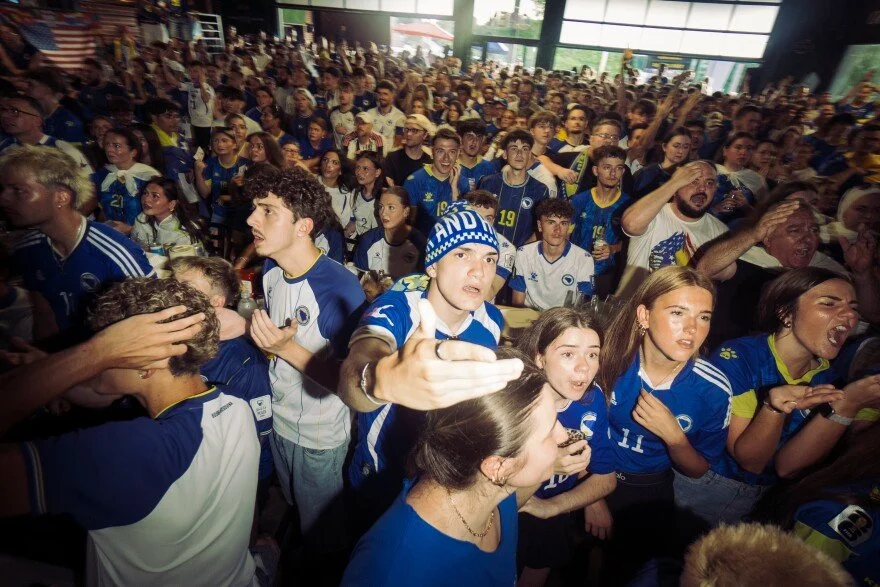
Fútbol legend Zlatan Ibrahimović’s father is from Bosnia, and as he talked about this team’s success in this year’s cup and the pride it gave him.
“To see the fans come and have this happiness, showing this emotion, gives me a lot of emotions,” Ibrahimović said. “It makes me very proud and happy. This is amazing.”
Bosnia-Herzegovina first qualified for the World Cup in 2014. Ahead of this year’s cup, Edin Džeko, a player on that 2014 squad, wrote an open letter to the children of Bosnia:
“We are lucky to be Bosnian. I’m not just saying that as a man who got to live his dream, but as a boy who survived the war.
Do you remember 2014? Most of you were probably not born yet. But when we qualified for our first World Cup, it was the greatest day of our lives.
I remember we played the decisive qualifier at this old stadium in Lithuania, and when the referee blew the final whistle, a bunch of Bosnians started jumping over the walls to run out onto the pitch. But the walls were like two metres high, and they had to jump down onto the concrete. I remember turning around and seeing them all running towards us and thinking, My God, these guys are crazy.
And then I saw one guy running a little slower than the rest. He was limping towards me with tears in his eyes.
It was my father.
Whether you live in Sarajevo, or Rome, or St. Louis.... Whether you are Muslim or Jewish or Catholic or Orthodox....
Never forget where you came from.
You are Bosnian. The world is at your feet.”
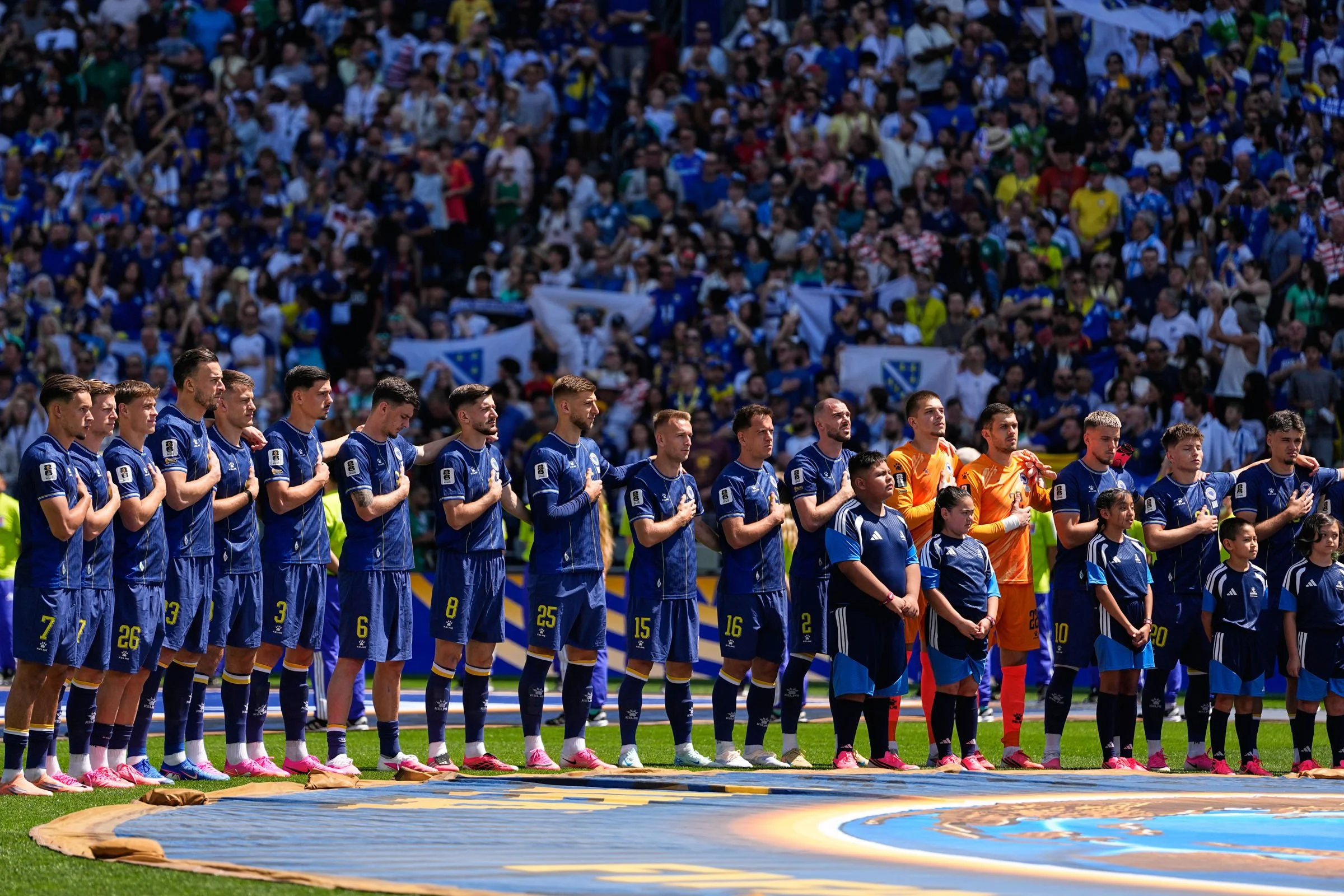
These are just some of the stories people’s love for fútbol can carry, and moments like the World Cup serve to remind us that in our pain and suffering, we are never alone. Whereas those with power will remain silent, the causes these stories hold will be carried on by people all across the world who choose to listen to their humanity.
Every four years, the world gathers to tell the stories it holds, because at the end of the day, fútbol is not just art.
It’s storytelling.